25 October 2026

Smart Shipping: 5 Significant Digital Transformations
Smart Shipping encompasses genuine adoption of AI-driven logistics, digitalizing maritime operations, constructing autonomous vessels etc.

Smart Shipping involves five key digital transformations:
- AI-driven logistics to improve decision-making processes, reduce the rates of accidents, achieve cost-efficiency, and enhance overall performance.
- Operational digitization used to promote and achieve operational efficiency in a sustainable manner through IoT, Big Data, and Predictive Analytics.
- Autonomous vessels, aka MASS, are at the forefront of technological advancements, where we see the first pilot cases.
- Modular ship design concepts will allow not only faster readiness, but the fleet will be able to remain up to date easier with interchangeable parts and upgrades.
- Digital Twin Technology for vessel performance improvement while also predictive maintenance, port operation optimization and more.
Table of Contents
1. AI-driven logistics
In recent years, the global shipping industry’s modus operandi has become significantly streamlined with the adoption of artificial intelligence (AI) and machine learning (ML) in various aspects of its operations for smart shipping.
Starting with AI-powered navigation systems to reduce ship collisions to real-time AI-assisted cargo tracking, AI-engineered fuel-efficiency optimization, AI-controlled port and traffic management, AI-supported crew, risk and compliance management, AI-driven underwater remotely operated vehicles (ROV) for inspections, AI-enhanced contract management and fraud prevention, etc. The scope of useful applications of artificial intelligence in the maritime sector is ever-increasing. [1]
In principle, utilizing AI helps shippers to improve their decision-making processes, reduce the rates of accident, achieve cost-efficiency, and enhance their overall performance. [2]
2. Operational Digitization
Smart shipping revolves around digitization, whereby some routine maritime activities are digitized for the purpose of maintaining ship visibility and stabilizing operations.
By leveraging digital technologies and existing IT solutions, shippers and port operators can promote and achieve operational efficiency in a sustainable manner. This entails digitizing every area for their smart shipping operations, ranging from fleet and route optimization, cargo tracking, maintenance, customs clearance, contracts and payments, crew/workers organization, and risk and compliance management. [3]
Three fundamental approaches currently employed in the maritime digitization include the popular utilization of Internet of Things (IoT), Big Data, and Predictive Analytics to facilitate smart shipping procedures:
Internet of Things (IoT)
Shippers and port operators rely on IoT technology (a combination of sensors and interconnected devices) to gather important, real-time data from ships, port infrastructure, and containers. The data is then used to promptly identify any issues associated with shipments, cargo tracking, and maintenance. IoT makes it possible for shippers to successfully monitor the conditions of cargoes in transit, mostly especially those that require maintaining certain optimal temperature or pressure conditions while being transported. In addition to utilizing pressure, humidity, temperature, vibration, and GPS sensors, a complete IoT solution also harnesses the power of wireless telecommunication technologies, cloud computing and edge computing, cybersecurity tools, data analytics, and machine learning capability. [4]
Big Data
By default, massive data sets are usually generated from various shipping activities, some of which are captured by IoT sensors and GPS, AIS (Automatic Identification System), Satellite Imagery, Cargo Tracking Systems, Manual reports (for instance, Noon Report), etc. This bulk of data is properly processed, analysed, and presented or represented as graphs, reports, and insights that can be used for visualizing probable solutions or in making pragmatic decisions that will enhance smart shipping through port operations, fleet and crew management, fuel efficiency, compliance, and so on. [5]
Predictive Analytics
With AI and Machine Learning models, it is possible for shippers and fleet managers to use big data in predicting several aspects of their maritime operations, such as correctly forecasting demand for fleet allocation, detecting potential infrastructural failures, optimizing the most effective routes, improving cargo loading and distribution, and promptly identifying factors that can affect the supply chain stability—like port congestion, socio-economic events, and political instability.

Smart ships transforming the industry
While they are still more under the radar. It may be several decades before we see several self-navigating smart ships grace our oceans.
Ship Nerd
3. Autonomous Vessels
The Autonomous Vessels, also known as Maritime Autonomous Surface Ships (MASS), are expected to literally take the concept of smart shipping to the moon by using minimal or no crew. Autonomous vessels, some of which are already under trial, will operate entirely by themselves, taking advantage of their IoT sensors, AI, advanced control systems, and Machine Learning to safely navigate the seas, right from the port of departure to their final destinations.
The MV Yara Birkeland, an autonomous cargo vessel, is currently pioneering this technology using the following technologies or systems:
- Advanced Radar (LiDAR) and computer vision to avoid collisions
- Remote and AI-Based Navigation System to remotely operate itself while absolutely relying on AI-driven decision-making.
- Detection Features such as sensors are incorporated for monitoring engine performance and discovering any mechanical failures beforehand.
- Optimizing Fuel Efficiency by letting AI analyses parameters like ocean currents and weather patterns to identify the most efficient routes.
- Cybersecurity Tools—powerful encryption systems and security protocols are implemented to protect autonomous vessels from cyberattacks.
Countries like Japan and Russia are currently testing their autonomous vessels, and IMO is developing guidelines (or mandatory codes) for operating autonomous vessels, which should be ready for public adoption by all IMO member states on 1 July 2030, at the latest, and go into force on 1 Jan 2032. [6]
4. Modular Ship Designs
The idea behind modular ship designs entails building vessels with advanced materials such as lightweight composites that are interchangeable or replaceable, leading to fast upgrades and retrofitting.
As a smart shipping approach, constructing durable ships indicates that they can be adaptable to any weather conditions in order to satisfy new environmental regulations or meet updated compliance requirements. More importantly, modular-designed vessels can use different kinds of fuels, be it LNG, ammonia, or hydrogen.
Modular designs are considered to be cost-effective in the sense that they can be rapidly prototyped, produced, and modernized. They equally lower compliance risks long-term.
5. Digital Twin Technology
The term “Digital Twin” was first coined in 2002 by Dr Michael Grieves and was first officially documented in a 2012 paper released by the National Aeronautical Space Administration (NASA). Simply defined, Digital Twin refers to a virtual or digital copy of a physical object/system, such as ships, containers, ports, and logistic systems, whereby the data gathered from the installed sensors can be further evaluated and utilized in improving the performance of the real assets being copied or mirrored.
The concept of digital twin should not be confused with “digital model”, which is basically the visual version of a pre-existing physical object. And there is no form of any automatic data exchange between the two. On the other hand, there is a kind of data flow or exchange between an existing physical object and its corresponding digital twin, and any alterations made to the digital object can be reflected in the physical object.
In the maritime industry, digital twin technology has been applied to visualizations of various infrastructural elements of vessels, ports, and other physical objects in real-time. This innovative technology has also been applied to diverse aspects of shipping activities like product development, forecasting and troubleshooting, sustainability management, supply chain visibility, predictive maintenance, port operation optimization, and improving safety and longevity.
Since the Digital Twin technology works in alignment with artificial intelligence (AI) and Internet-of-Things (IoT), the major challenges observable in successfully using the technology involves ensuring smooth connectivity, data privacy and security, modelling standardization, using reliable data, and adopting helpful data analytics. [7]
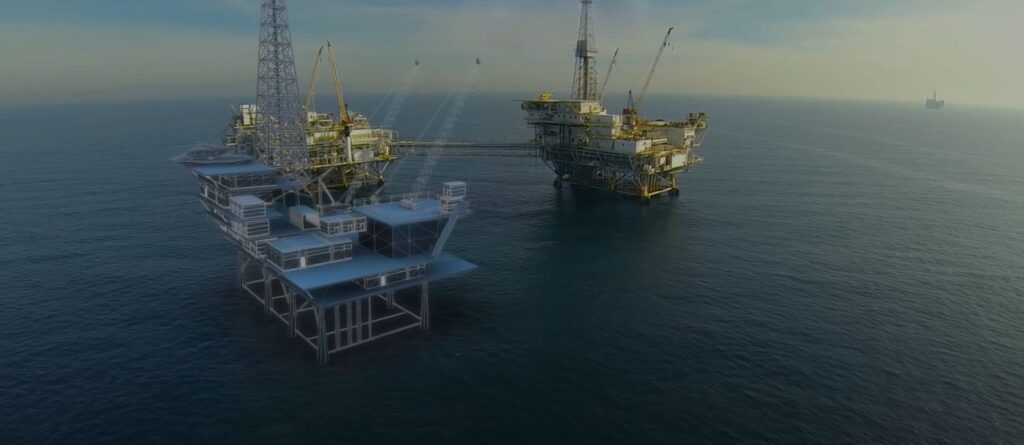
What is the Digital Twin Technology?
Digital Twin Technology: Definition, Misconceptions, Applications, and Challenges arising as such innovative concepts evolve.
Ship Nerd
Emerging challenges against achieving full-scale smart shipping operations
As desirable and modern the concept is, there are some emerging challenges that can hamper full-scale actualization of smart shipping operations in global maritime industry. They include:
- Personnel training: The current crop of shipping workers must be trained and equipped with the necessary knowledge for operating and overseeing smart shipping technologies.
- High initial implementation costs: Upgrading traditional fleets with smart technologies may require a lot of investment.
- Lack of regulatory guidelines: At the moment, there are no universal international maritime laws that govern the building and operating of autonomous vessels.
- Data issues: Being a digitalized system, a smart vessel require different systems and technologies that must be connected or integrated seamlessly in order to ensure smooth operations. Efforts are also needed to incorporate security apparatus that will prevent smart ships from being vulnerable to cyberattacks.
- Environmental Requirements: It is important that smart shipping meet all the existing and new sustainability requirements, which include reducing greenhouse gas emissions and increasing fuel efficiency.
Takeaways
To save costs, increase their revenue, achieve consistent maintenance of their infrastructure and ships, and fulfil all safety and compliance requirements in all their activities, it is advisable that shipowners should consider pivoting to smart shipping.
See Also

Maritime Cybersecurity: The Most Sensible Solutions in 2025
The industry has been losing billions of dollars to maritime cybersecurity events which calls for immediate, sensible solutions to prevent the attacks.